Table of Content
This will remove any leftover food, and get them mostly clean and ready for the dishwasher. If you prefer not to put them in the dishwasher, a little soapy water and a good rinse would clean them well too. A note – the caps are definitely a choking hazard, and it says so specifically in a big warning on the back of the pouch.
You can add a small amount of water to the blender if the mixture is thick. Make sure to puree the peel of fruits very well if you want to keep it, ex . Add 1 tablespoon of lemon juice for your poached, the citrus from the lemon helps to preserve them. Refill pouches (they come in batches of 50, and they have different sizes, choose what is suitable for your kid’s age). Serve foods you’d usually serve warm just warm, not hot. Test on your wrist to be sure the temperature is not hot.
Vegetable Chicken Fingers for Babies
The Pouches are good quality, freezer safe and, most importantly, baby friendly. Max loves that he can feed himself - and I love that mealtime goes off without a hitch. The Fresh Squeezed Feeding Line includes more than the Squeeze Station. In fact, the Line has everything you need to make, package and store purees. In addition to the smart design, one of our favorite features of the Fresh Squeezed collection is the affordable price tag.
But as great as they are (and they really are!), I do suggest sticking within a few serving parameters. The brands Kushies, Beaba, and Kiddo Feedo all make similar food-grade silicone trays that can store and freeze perfect-sized portions of homemade baby food. Each container is freezer, dishwasher, microwave, and oven safe, making them super easy to use and clean. Kiddo Feedo’s lid is also made from silicone, so it’s a completely plastic-free option, while Kushies and Beaba’s lids are made from plastic. You can purchase a 16-pack of 4 oz pouches from Happy Baby Organics.
Sweet Potato Puree
Then, I add unsweetened applesauce that I buy from the store. Even though I enjoy making my own homemade baby food, I am ok with cutting corners where I can. Squeeze pouches are also a great way to get in some fruits, veggies and whole grains that your baby might not be as eager to pick up as whole finger foods. I’m starting to send pouches with my one year old to daycare for snacks.
The recipe card is near the bottom of the page, above the comments section. Especially because it can be intimidating when you first start out. After you get the hang of it, you’ll be able to whip these up in no time and I bet you’ll start making up your own combinations. But you can make your own soquickly,easilyand for muchless money. Plus, you can customize them to your little one’s liking and feel good that you’re controlling the ingredients.
Get 15% Off Your First Serenity Kids Order
Use a scrubber to scrub the skin of the vegetables and fruits, especially if it isn't organic. If the vegetable or fruit has a peel, use a peeler to remove it, since tough skins are difficult for a baby to eat. It also includes guidance about mixing and matching ingredients to create the best-tasting purees, all while introducing your little one to a variety of flavors and textures. Then introduce any other fruits and vegetables that you want, and eventually add in fish and meat. If you are putting them in a pot with water, just cover the pot with a lid and bring it to a boil.

Ripe bananas make great homemade baby food with the help of just a blender. This is a super simple baby food to make at home and it’s easy to digest as a Stage 1 baby food. Use ripe bananas with brown spots to ensure that the puree tastes sweet and is easy for baby to digest. Since I began using reusable food pouches, I have primarily filled them with a mixture of store-bought unsweetened applesauce and homemade prune puree. I sometimes add pureed sweet potato too if I have some on hand. A walk through the baby food aisle reveals dozens of varieties of baby food pouches.
Best For Picky Eaters: Happy Tot Organics Super Foods Stage 4, Variety Pack
It’s a perfect way to introduce a low allergenic food that’s rich in healthy fats. I’ve written about reusable food pouches before, as one of the options for storing homemade baby food. There are lots of recipes to prepare healthy purees for your kids with different flavor options, here are three easy recipes that you can prepare from healthy fruits and vegetables. You can also reuse baby food pouches and use them to store baby food. Babies who have eaten some solid foods and are between the ages of 4 and 8 months can have pureed or strained vegetables and fruits, meats, legumes, and cereals.

If you're storing food in the freezer, be sure to use freezer-safe containers. Baby food may be kept in the freezer for up to 1 month. Steam the food to a softer texture than you'd normally do for yourself, since it should be completely smooth once you puree it. You’ll be hard-pressed to find a more nutritionally-dense puree than this mixture of broccoli, spinach, and cauliflower, which is full of vitamins and minerals, including iron. This puree also contains loads of phytonutrients, which are known to have anti-cancer properties.
For reusable pouches, I recommend these refillable baby food pouches. Like their single-use, store-bought counterparts, reusable food pouches are convenient and portable. They are also an eco-friendly, economic option for feeding purees to babies and toddlers. Sure, one pouch isn’t that expensive, but what if your child eats one pouch a day?

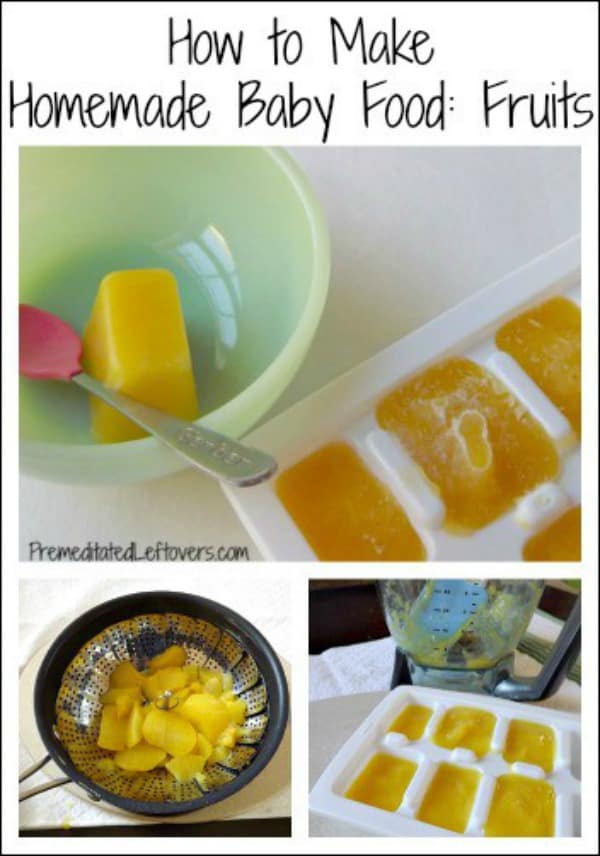
Although most of those chemicals are a result of heating plastic, so as long as you don’t heat these pouches or leave in direct sunlight, you should avoid the problem by large. Personally I do not throw them in the dishwasher for this reason. Spoon pureed baby food into ice-cube trays that have been sprayed with a non-stick spray and freeze. Once solid remove and wrap individually in plastic wrap and place into freezer bags. Many fresh fruits and vegetables are treated with pesticides and other chemicals before they are harvested. For example, apples are treated with more pesticides than any other produce, so you may want to go out of your way to buy organic apples.
Or, you can keep the morning and night schedule for a bit and just start to change the type of food you offer so you’re offering a range over the course of a whole week. You'll choose ONE ingredient to blend up—a fruit, a veggie, or beans. You can make enough for a few days or make a double batch to freeze more baby food for future weeks. The nutrition information will vary based on which ingredients you use. Baby’s early foods don’t have to be all one food group and beans are a great food to have in the mix.
Not only do pears taste great, but they’re also full of nutrients like fiber and Vitamin C, which help to prevent constipation and promote a healthy immune system, respectively. Additionally, most pre-made baby food is very fruit-forward which makes it quite sweet and high in sugar. This can make babies who eat pre-made food more likely to only develop a liking for sweeter foods, which could make them pickier eaters later on. I would freeze the baby food in these trays, and then once frozen, I’d pop out the puree cubes and transfer them to an airtight container, or to zip-top freezer bags. I guarantee that making baby food at home will be cheaper than buying expensive pouches, which often contain significant amounts of sugar from fruit purees or even fruit juice concentrate. These options go beyond a simple fruit and veggie puree by including between 2.5 to 5 grams of high-quality fat in each pouch.


No comments:
Post a Comment